HESI A2 Biology: Cells, Genetics, DNA to Photosynthesis in One Page

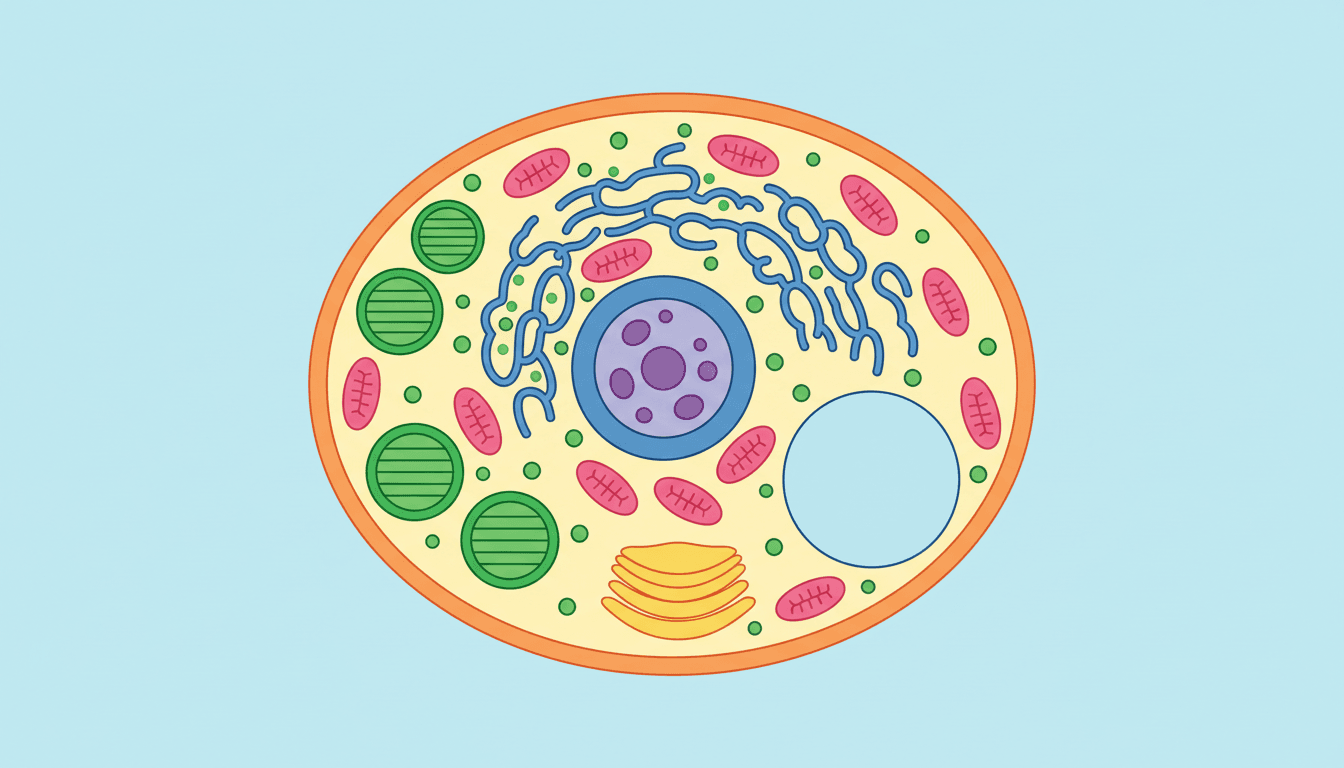
Preparing for the HESI A2 Biology section can feel overwhelming, especially if your last biology class was years ago. However, with a solid study plan and targeted review, you can significantly boost your score. This guide covers essential topics from cells and genetics to DNA and photosynthesis, ensuring you're well-prepared for the exam.
For additional preparation, take our HESI A2 practice test to gauge your readiness and identify areas for improvement. This guide will walk you through the key concepts you need to master for the biology section of the HESI A2 exam, complete with worked examples and decision rules to help you avoid common traps.
Essential HESI A2 Biology Topics
The HESI A2 Biology section tests your understanding of foundational biological concepts. Here are the main topics you need to focus on:
- Cellular Biology: Understand the structure and function of prokaryotic and eukaryotic cells, including plant cells with their unique features like chloroplasts and cell walls.
- Cell Physiology: Learn how cells maintain homeostasis, produce energy, and regulate transport across membranes.
- Cellular Transport: Differentiate between passive transport (diffusion, osmosis) and active transport (sodium-potassium pump).
- Genetics: Master the basics of DNA, RNA, Punnett squares, and inheritance patterns.
- Photosynthesis and Cellular Respiration: Understand the processes by which cells convert energy, focusing on ATP production and the role of chloroplasts and mitochondria.
Sample Questions and Worked Examples
To help you understand how these concepts are tested, here are a few sample questions with detailed explanations:
| Question | Answer |
|---|---|
| Which organelle is responsible for protein synthesis? | Ribosome |
| What process do yeast cells use to make bread rise? | Fermentation, producing ethanol and carbon dioxide |
| How does mitosis differ from meiosis? | Mitosis produces two genetically identical diploid cells, while meiosis produces four genetically diverse haploid cells. |
Common Traps and How to Avoid Them
The HESI A2 Biology section often includes questions designed to trip you up. Here are some common traps and how to avoid them:
- Misidentifying Cell Structures: Ensure you know the specific functions of organelles like ribosomes, mitochondria, and lysosomes.
- Confusing Genetic Terms: Familiarize yourself with terms like genotype, phenotype, dominant, and recessive alleles.
- Overlooking Energy Pathways: Pay attention to the details of photosynthesis and cellular respiration, especially where ATP is produced.
Preparation Tips
To maximize your score on the HESI A2 Biology section, follow these preparation tips:
- Review each topic thoroughly, focusing on understanding rather than memorization.
- Practice with HESI A2 biology questions to get accustomed to the exam format.
- Use study guides and flashcards to reinforce key concepts and terms.
Related Resources
For more study materials and exam tips, check out our related blog posts:
- 60-Day Bachelors Study Plan With 725 Assessment Qs Built In
- Online Proctoring Pilot: Should You Take It at Home?
FAQs
1. How many questions are on the HESI A2 Biology section?
The HESI A2 Biology section typically consists of 25 questions, making up about 8% of the total exam. However, this can vary by program.
2. What topics are most frequently tested in HESI A2 Biology?
The most frequently tested topics include cellular biology, genetics, photosynthesis, cellular respiration, and DNA replication.
3. How should I prepare for the HESI A2 Biology section?
Start by reviewing foundational biology concepts, practicing with sample questions, and using study guides to reinforce your knowledge.
4. Are there any official practice tests for the HESI A2 Biology section?
While there are no official practice tests, many third-party resources offer HESI A2 biology practice questions that closely mimic the exam format.
5. What is the best way to study for the HESI A2 Biology section?
The best way to study is to break down the material into manageable sections, focus on understanding key concepts, and regularly test your knowledge with practice questions.
Frequently Asked Questions
Related Posts
View all articles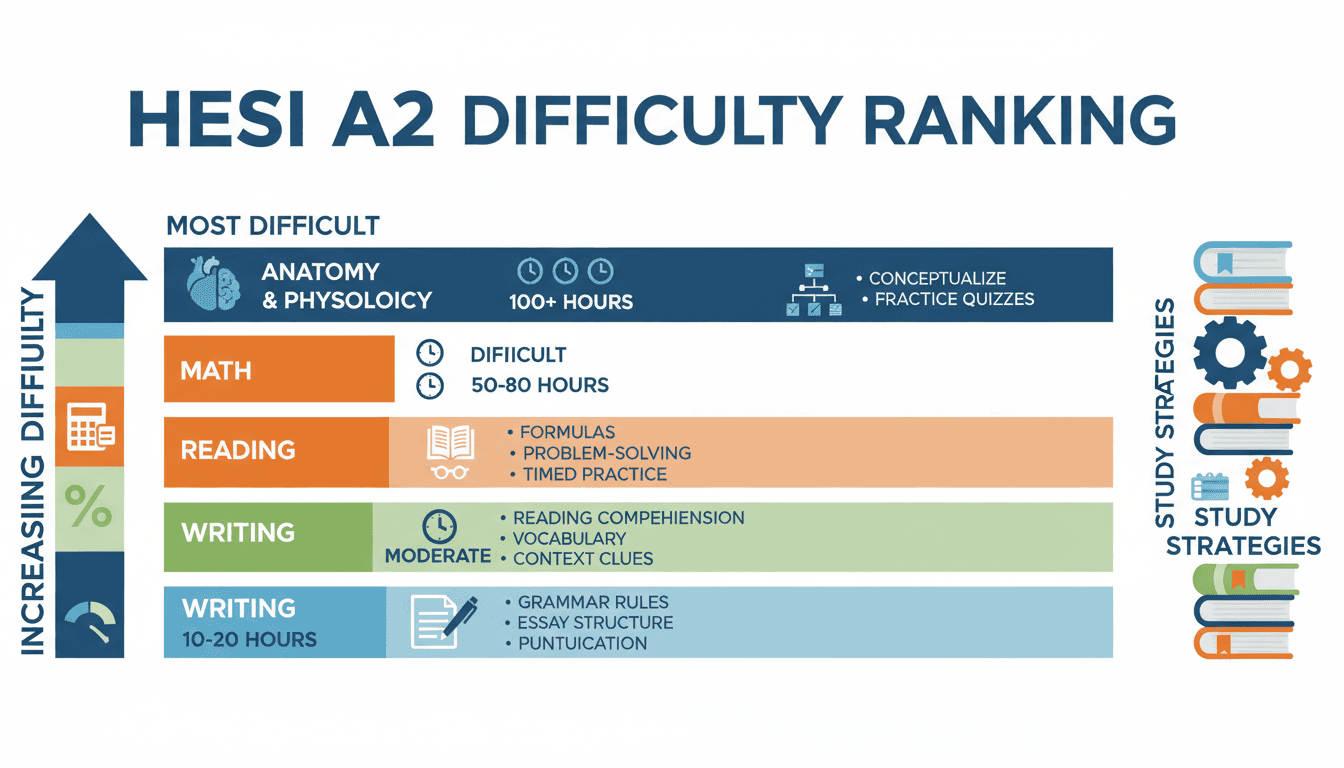
Hardest HESI A2 Sections Ranked 2026: Where to Spend Your 40 Hours
Discover the hardest HESI A2 sections in 2026, study tips, and a 40-hour plan to ace the exam.
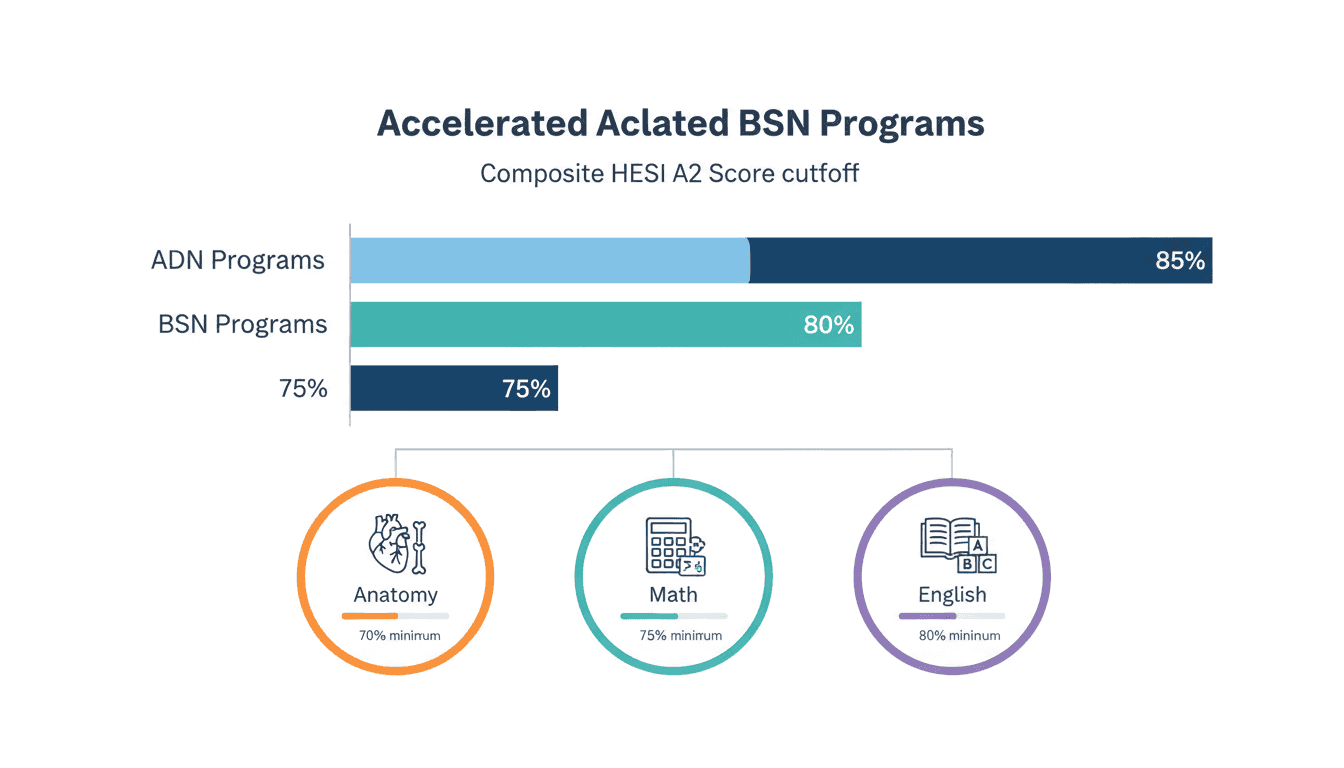
HESI A2 Scores by School: 75 vs 85 vs 90 Cutoffs + What to Retake
HESI A2 score requirements by school range from 58% to 92%, with competitive BSN programs demanding 85%+ composites and strict section minimums.
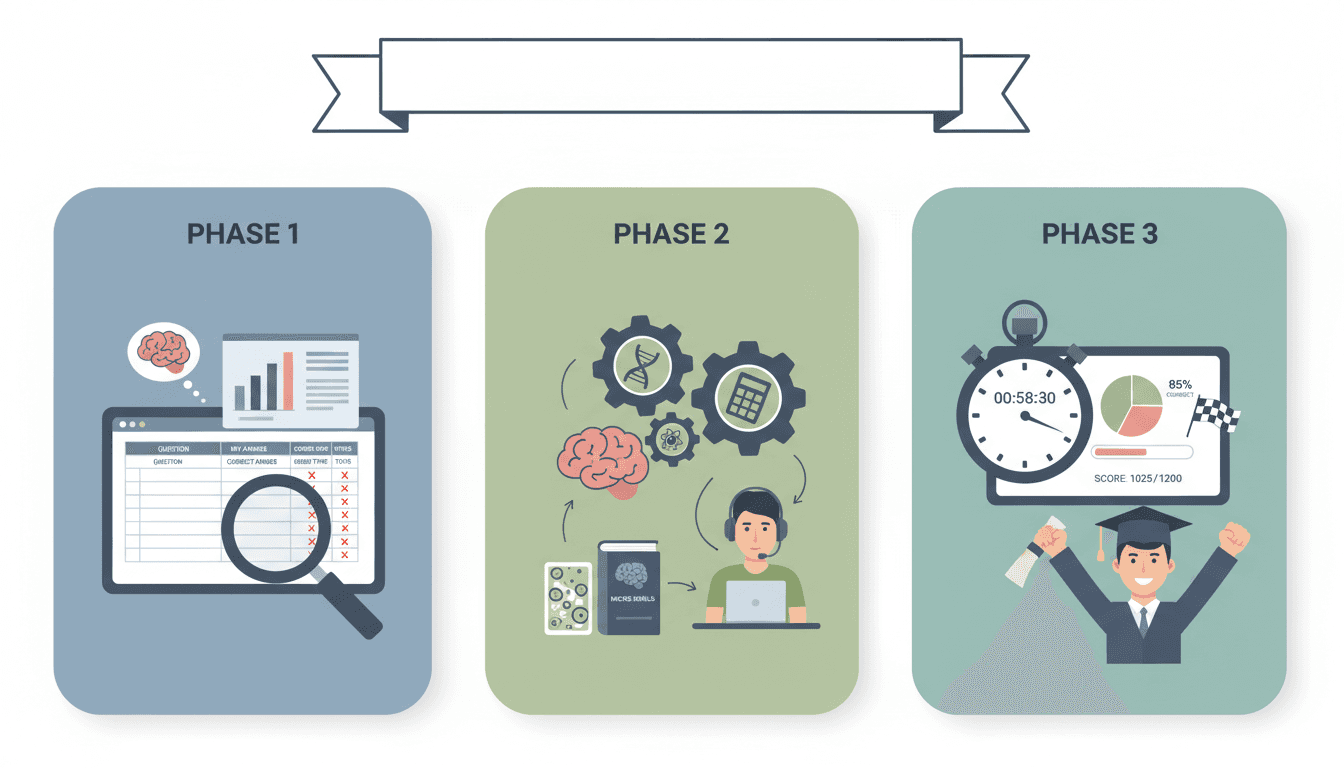
HESI A2 Practice Test Strategy: How to Use 1000+ Questions to Hit 90%+
A step-by-step strategy to use 1000+ HESI A2 practice test questions efficiently, targeting 90%+ scores through diagnostic assessment, focused drills, and timed