Dosage Calculations Mastery: mg/kg, IV Drops, Unit Conversions Table


Mastering dosage calculations is a critical skill for nursing students preparing for the HESI A2 exam. Whether you're calculating weight-based doses or IV drip rates, precision and accuracy are essential. This guide provides a concise approach to HESI A2 dosage calculations, focusing on core formulas, unit conversions, and practical examples to help you excel.
To fully prepare for the HESI A2, consider pairing this guide with a HESI A2 practice test to reinforce your knowledge and build confidence.
Core Dosage Calculation Formulas
Understanding the fundamental formulas is the first step toward dosage calculation mastery. These formulas cover essential scenarios from tablets to IV drips:
| Calculation | Formula |
|---|---|
| Tablets or volume to give | (Desired ÷ Have) × Quantity |
| Weight-based dose | Dose per kg × weight in kg |
| IV flow rate | Volume (mL) ÷ time (hours) = mL/hr |
| IV drip rate | [Volume (mL) ÷ time (min)] × drop factor = gtt/min |
| Infusion duration | Volume (mL) ÷ rate (mL/hr) = hours |
Essential Unit Conversions
Memorizing common conversions is crucial for accuracy. Here are the key conversions to know for the HESI A2:
- 1 kg = 1,000 g = 2.2 lb
- 1 g = 1,000 mg
- 1 mg = 1,000 mcg
- 1 L = 1,000 mL
- 1 tsp = 5 mL
- 1 tbsp = 15 mL = 3 tsp
Weight-Based Dosage Calculations
Weight-based dosing is a common scenario on the HESI A2. Follow these steps:
- Convert the patient's weight to kilograms (if necessary).
- Multiply the dose per kg by the patient's weight.
- Ensure the answer is within the safe dosage range.
For example: A patient weighs 150 lbs and requires a medication dosed at 2 mg/kg. First, convert 150 lbs to kg: 150 ÷ 2.2 = 68.2 kg. Then, calculate the dose: 2 mg/kg × 68.2 kg = 136.4 mg.
IV Drip Rate Calculations
Calculating IV drip rates involves understanding drop factors and applying the formula:
| Tubing | Drop Factor | Usage |
|---|---|---|
| Macrodrip | 10 gtt/mL | Large volumes, blood |
| Macrodrip | 15 gtt/mL | Standard IV fluids (US) |
For practice, calculate the drip rate for 1 L of IV fluid to be infused over 8 hours using a 15 gtt/mL tubing: (1,000 mL ÷ 480 min) × 15 gtt/mL = 31.25 gtt/min (round to 31 gtt/min).
FAQs
1. What is the pass rate for the HESI A2 dosage calculations section?
The pass rate varies by program, but students generally need to score above 75% on the math section to meet nursing school requirements.
2. How do I convert mcg/kg/min to mL/hr?
Use the formula: (dose × kg × 60) ÷ concentration (mcg/mL). Always verify the concentration of the medication before calculating.
3. What are the most common unit conversions for the HESI A2?
Key conversions include kg to lb, mg to mcg, and tsp to mL. Memorize these to save time during the exam.
4. How can I avoid errors in dosage calculations?
Double-check your work, use dimensional analysis, and ensure your final answer aligns with clinical judgment.
5. Where can I find additional practice questions?
Use resources like the HESI A2 practice test or explore study plans tailored for nursing exams.
With consistent practice and a solid understanding of these concepts, you'll be well-prepared to tackle HESI A2 dosage calculations with confidence.

Frequently Asked Questions
Related Posts
View all articles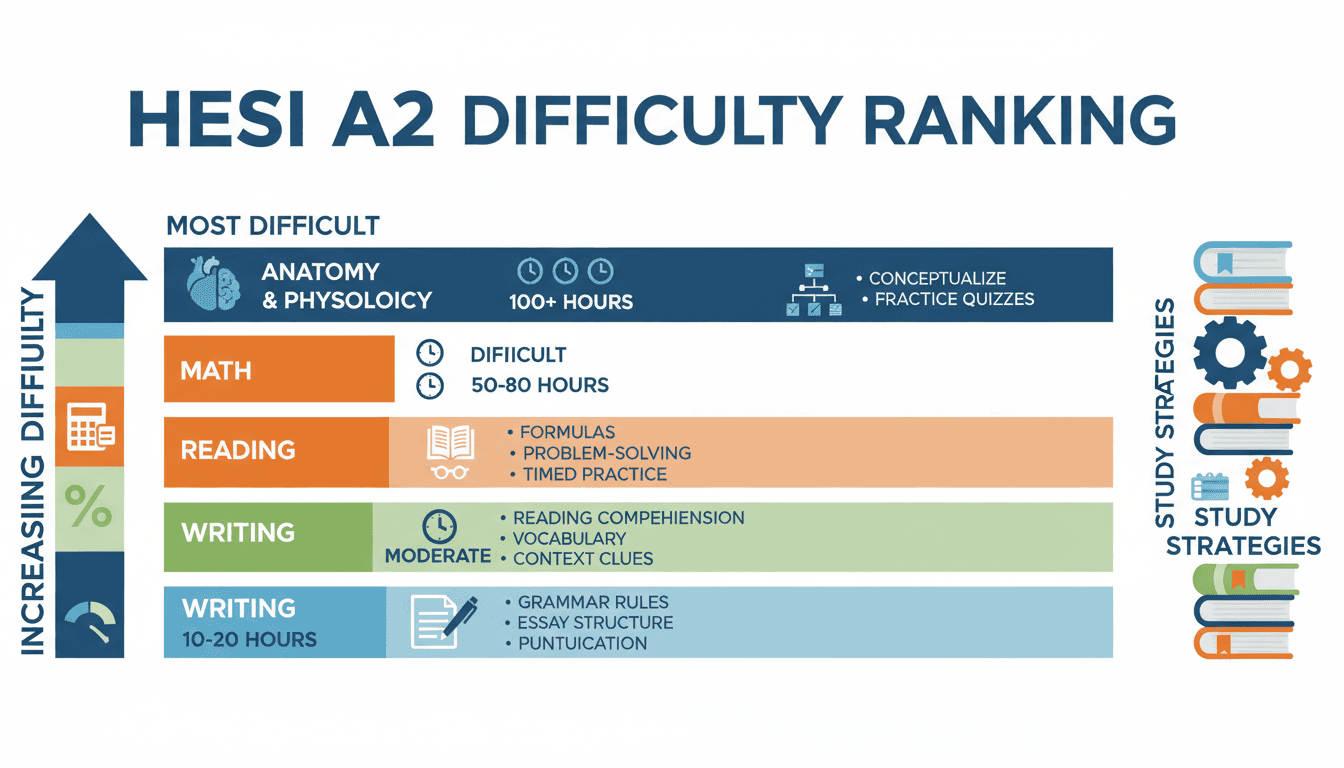
Hardest HESI A2 Sections Ranked 2026: Where to Spend Your 40 Hours
Discover the hardest HESI A2 sections in 2026, study tips, and a 40-hour plan to ace the exam.
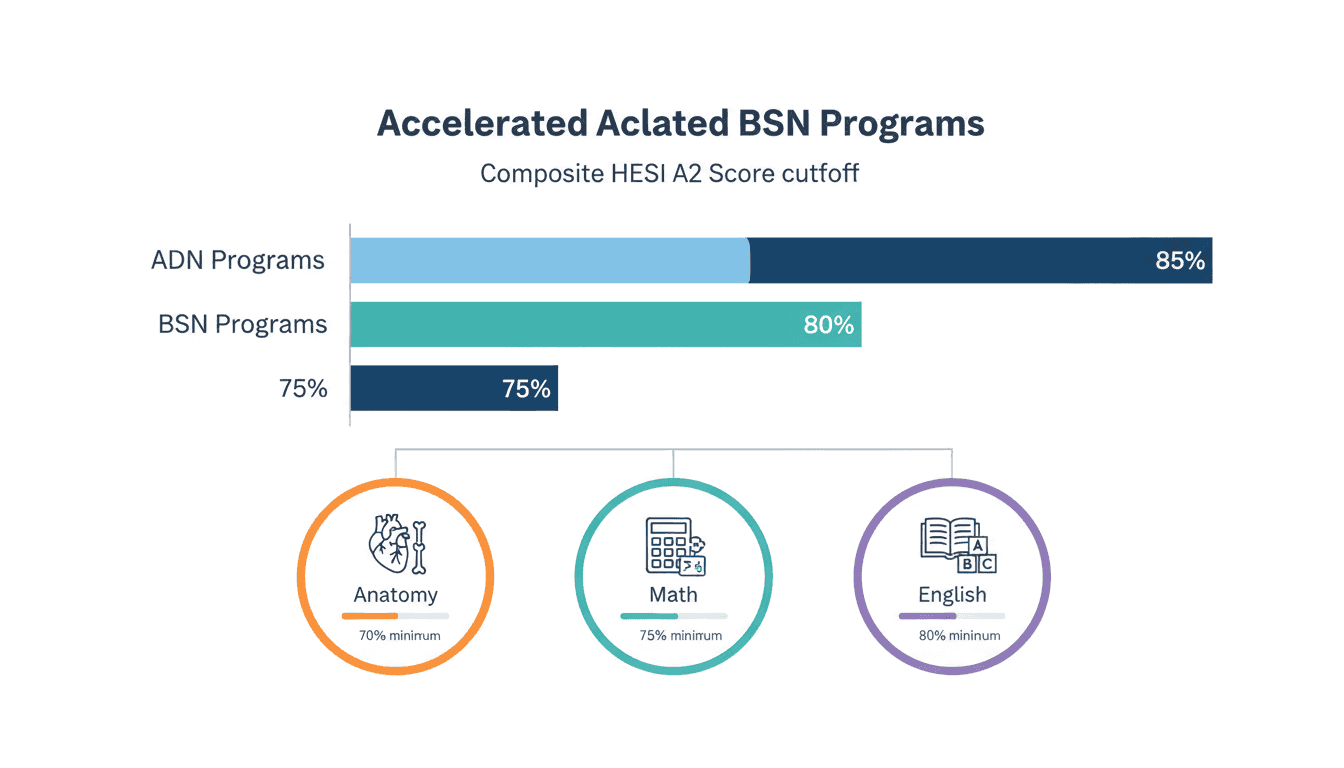
HESI A2 Scores by School: 75 vs 85 vs 90 Cutoffs + What to Retake
HESI A2 score requirements by school range from 58% to 92%, with competitive BSN programs demanding 85%+ composites and strict section minimums.

HESI A2 Practice Test Strategy: How to Use 1000+ Questions to Hit 90%+
A step-by-step strategy to use 1000+ HESI A2 practice test questions efficiently, targeting 90%+ scores through diagnostic assessment, focused drills, and timed