How to Read CNA Questions When Two Answers Seem Correct


Almost every CNA student hits the same wall on the written exam: a question with two answer choices that both seem correct. You read them twice, and both appear safe and reasonable. You pick one, then spend the next three questions second-guessing yourself. This experience is not a sign that you are unprepared. It is the design of the test.
The CNA written exam is a judgment test, not a memory test. The writers deliberately include distractors, answer choices that are true statements but not the best answer for the specific situation. The skill the exam measures is your ability to read carefully and choose the answer that is safest, most within your scope, and most respectful of the resident. This guide gives you a repeatable method for making that call, plus a worked example you can apply to every practice question from now on.
Why Two Answers Can Both Look Right
The exam is built so that more than one option can be technically correct. A distractor might be a true general statement, a real procedure performed correctly, or a reasonable comfort measure. What makes it wrong is context: it does not answer the exact question asked, or it is not the priority in that situation.
For example, a question might ask what the nurse aide should do first when a resident reports chest pain and is short of breath. "Offer the resident a glass of water" is not harmful, but it is not the best answer. The option that keeps the resident safe and gets the change reported to the nurse beats it every time. On this exam, "correct" means "safest and most in scope," not simply "true."
| Distractor pattern | Why it looks right | Why it loses |
|---|---|---|
| True but general statement | It is a fact you learned | It does not answer the specific situation |
| Comfort measure | It is kind and reasonable | Safety and reporting outrank comfort |
| Procedure step | It is performed correctly | It may be the wrong step order or outside scope |
| Absolute wording | Sounds decisive | Always and never are usually false |
The Three Filters for the Best Answer
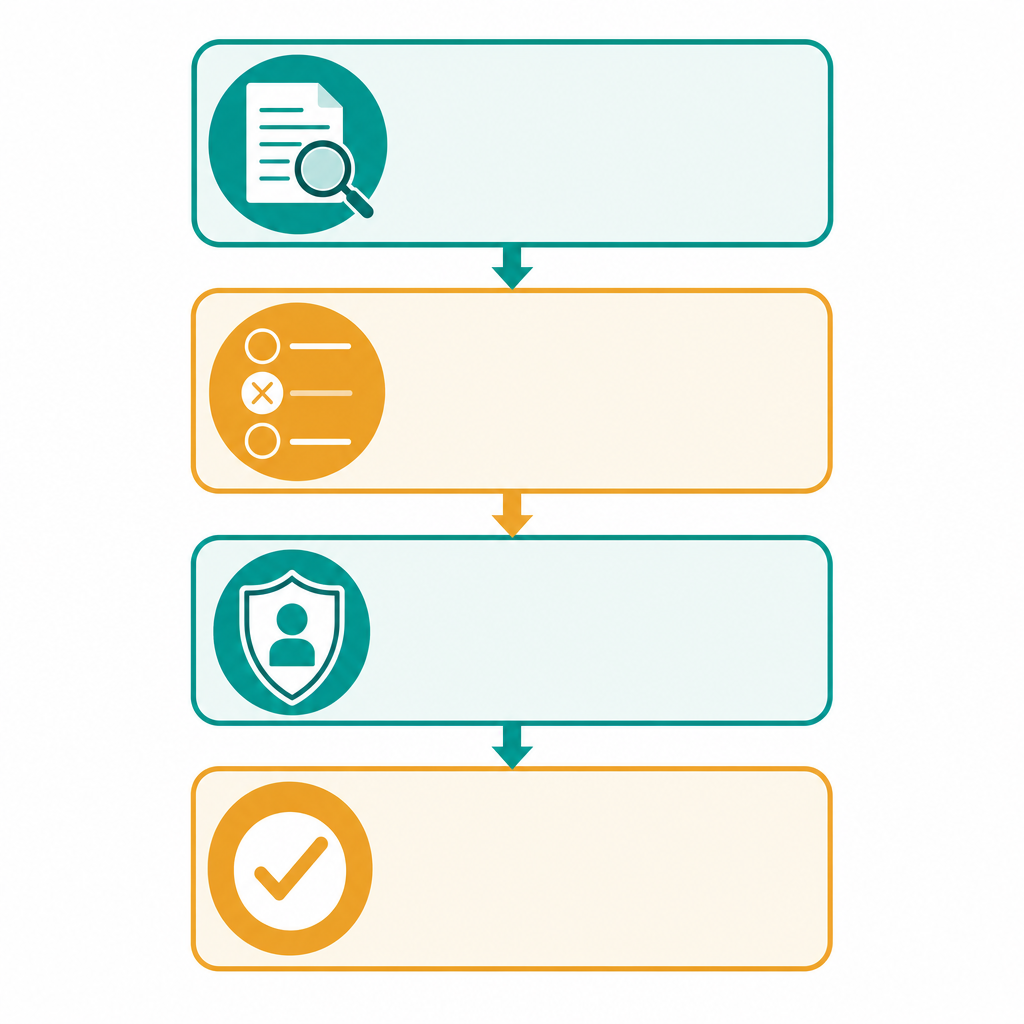
When two options both seem right, run each one through three filters in order. The answer that survives all three is the one to choose.
Filter 1: Safety comes first
Safety outranks everything. If one option protects the resident's airway, breathing, or circulation, or prevents immediate harm like a fall, choose it. A resident who suddenly cannot breathe beats every other task you were doing. This is why priority questions feel similar to this one, and it is covered in depth in our guide to CNA priority questions.
Filter 2: Stay inside your scope of practice
The correct CNA answer never asks you to diagnose, interpret test results, give medication, or adjust medical equipment. If one option says "explain to the resident what the lab results mean" and the other says "report the results to the nurse," the second one wins. When in doubt, the safest in-scope answer is observe, report, and document. See our guide to delegation and knowing when to report instead of acting for the full breakdown.
Filter 3: Protect rights and dignity
When two options are equally safe and equally in scope, choose the one that preserves the resident's privacy, choices, and dignity. Covering a resident during care beats leaving them exposed. Respecting a refusal of care and reporting it beats forcing care. The exam writers test respect for resident rights on nearly every form, and it is a reliable tie-breaker.
Read the Question Like a Detective
Before you can filter the answers, you have to know what the question is actually asking. Signal words tell you the question type, and missing them is the most common reason students pick a true answer that is still wrong.
- FIRST, INITIAL, PRIORITY, BEST: choose the most urgent or safest action, not the nicest one.
- NOT, EXCEPT, CONTRAINDICATED, NEVER: the question wants the wrong or unsafe action. Rephrase it as "which of these is incorrect?"
- Should, must, when: look for the standard, in-scope procedure.
It also helps to form your own answer before you look at the choices. Read the stem, decide what a safe nurse aide would do, then scan the options for that idea. If your answer is not there, you misread the question. Read it again.
Eliminate Distractors, Then Compare
Once you know the question type, cross out what is obviously wrong. Absolutes like always and never are usually false. Any option that diagnoses, prescribes, or skips the chain of command is out. Options that abandon the resident or ignore a safety hazard are out.
If two options remain, treat each one as a true or false statement against the scenario. Ask which one the resident's safety depends on first, which one stays inside your scope, and which one respects the resident's rights. The option that wins all three questions is the best answer. One more rule saves many students: the umbrella rule. When the question asks what to do about a symptom, the answer is often to observe and report to the nurse rather than to act like a clinician. The team counts on nurse aides as the eyes and ears of care, a role the AHRQ guide to detecting changes in a resident's condition explains in detail.
When You Are Still Stuck
Even with a system, a question can leave you with two choices that feel equal. There is no guessing penalty on the CNA exam, so you never leave a question blank. Mark the one that survived the filters, flag it, and move on. Returning with a fresh mind often reveals the detail you missed. Exam experience supports your first instinct: when you know the material, the first answer you chose is usually the right one. Change an answer only when you can point to a specific reason, like a misread word or a missed NOT.
A Worked Example
Here is how the method works on a real question style. You find a resident on the floor in their room, awake and saying they slipped while getting out of bed. What should you do first?
- Help the resident up immediately and back to bed.
- Call for help and keep the resident still.
- Complete an incident report right away.
- Tell the nurse about the fall at the end of the shift.
Two options look reasonable at first. Option 1 seems helpful, but lifting a fallen resident before a nurse checks for injury can make a fracture worse. Option 3 is a real CNA task, but documentation comes after the resident is safe. Option 4 is wrong because a fall is an immediate report, never end-of-shift news. That leaves option 2: it protects safety first and gets the report moving. The filters did the work.
You can drill this exact skill on our free Role of the Nurse Aide practice test and check your endurance with the full-length CNA mock exam. For the reading habits behind it, the LibreTexts Nursing Assistant textbook chapter on reporting and documentation is a free, RN-written reference worth bookmarking.
Final Thoughts
Two correct-looking answers stop being a problem when you stop treating the exam as a memory test. Read the stem, catch the signal words, eliminate what is obviously wrong, and run the survivors through safety, scope, and dignity. The best answer is rarely the most impressive one. It is the one that keeps the resident safe, stays inside your role, and gets the right information to the nurse.
Practice the method on every question you see, and it will become automatic by exam day.
Frequently Asked Questions
Related Posts
View all articles
CNA Measurement Questions: Intake, Output, Weight, Pulse, and Respirations
Learn how to answer CNA measurement questions on intake, output, weight, pulse, and respirations, including conversions, normal ranges, and report thresholds.

CNA Observation vs. Reporting: Which Changes in a Resident's Condition Matter Most?
Learn which changes in a resident's condition matter most for CNA observation and reporting, and how to describe them objectively so the nurse can act quickly.

CNA Delegation Questions: Knowing When to Report Instead of Acting
Learn how to answer CNA delegation questions: know your scope of practice, the five rights of delegation, and when to report to the nurse instead of acting.